
Marco Island is surrounded by productive fishing water, but knowing the name of a good fishing spot and knowing how to fish it are two very different things.
The Ten Thousand Islands alone contain miles of mangrove shorelines, oyster bars, grass flats, tidal creeks, passes, and backcountry water. Head toward the Gulf, and the fishery changes again as anglers encounter deeper water, structure, ledges, and live bottom.
Native Guided Fishing’s captains fish these waters throughout the year, and one of the biggest lessons that comes from spending that much time on the water is that there is rarely one “best spot” every day. The productive area changes with the tide, season, weather, bait movement, and species being targeted.
For anglers visiting Southwest Florida, understanding the different fishing areas around Marco Island is a much better starting point than simply dropping a pin on a map.
The Ten Thousand Islands
For backwater fishing, the Ten Thousand Islands are one of the defining fisheries around Marco Island.
Native Guided Fishing departs from Goodland and fishes throughout the Ten Thousand Islands between Marco Island, Goodland, and Everglades City. The area includes mangrove shorelines, grass flats, oyster bars, backcountry passes, and shallow-water environments that can hold snook, redfish, tarpon, pompano, black drum, snapper, sheepshead, and other species.
The challenge is the sheer amount of water.
Two mangrove shorelines can look nearly identical, yet one may hold feeding fish while the other produces very little. Current direction, water depth, bait activity, and the stage of the tide can make the difference.
Experienced captains aren’t simply looking for an attractive stretch of shoreline. They’re reading what’s happening around it.
That may mean focusing on a mangrove point where current is moving bait past waiting fish, working an oyster bar as the tide changes, or moving into a backcountry pass where fish have positioned themselves to feed.
This is where local knowledge becomes particularly valuable. The Ten Thousand Islands are not one fishing spot. They’re an enormous network of potential fishing areas that behave differently throughout the day.
Goodland Provides Direct Access to the Backcountry
Goodland is more than the departure point for Native Guided Fishing. Its location provides quick access to the Ten Thousand Islands and surrounding backcountry.
That matters because less time traveling can mean more time actually fishing.
Native Guided Fishing launches its backwater trips from Goodland before heading into the Ten Thousand Islands. Depending on the season and tide, captains may work mangrove shorelines, grass flats, oyster bars, and backcountry passes.
For families and first-time anglers, these protected waters can also provide a different experience than heading offshore. Backwater trips generally take place in calmer, sheltered water and offer opportunities to target a variety of species on light tackle.
More experienced anglers can use longer trips to travel deeper into the backcountry and fish through more of a tide cycle.
That flexibility is one reason choosing the right charter length can matter almost as much as choosing where to fish.
Backcountry Creeks, Mangroves, and Flats
Some of the most interesting fishing around Marco Island happens in water that doesn’t necessarily look remarkable from a distance.
A narrow creek mouth, small depth change, oyster edge, or mangrove point can create exactly the type of feeding opportunity fish are looking for.
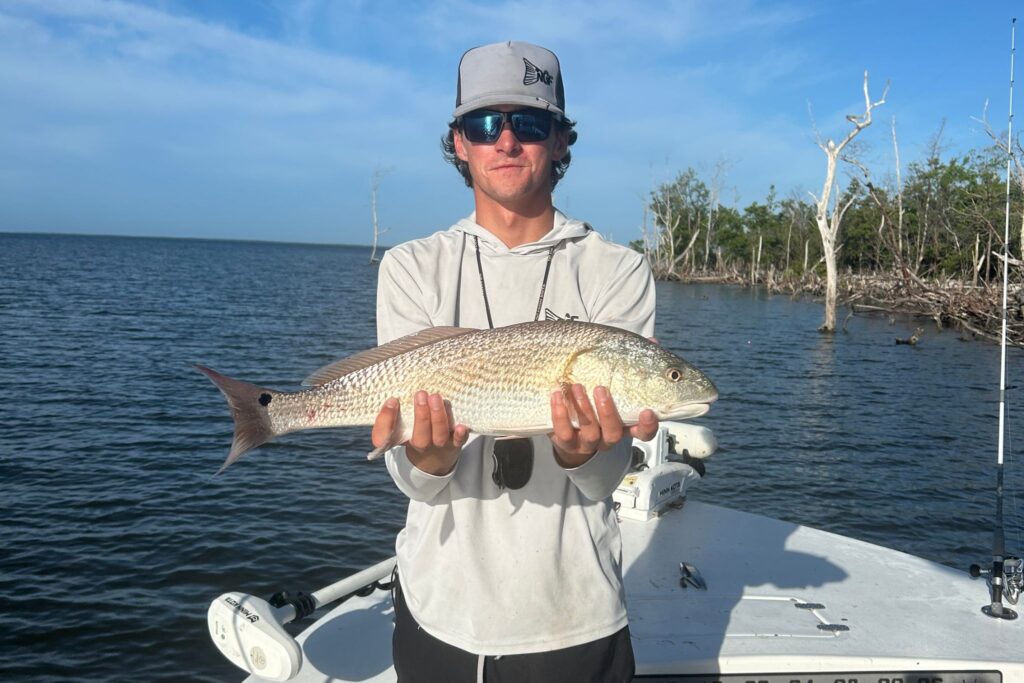
Snook and redfish are two of the species commonly targeted throughout these environments, but where they’re found can change with water movement and seasonal conditions.
Boat access matters here as well.
Native Guided Fishing’s fleet uses 25-foot center-console boats with shallow-water capabilities designed for navigating the coastal waterways around Marco Island, Goodland, and the Ten Thousand Islands. The ability to reach shallow creeks, mangrove areas, and tidal flats gives captains more options as conditions change.
Knowing where a boat can go, however, is different from knowing where it should go.
That’s where familiarity with the backcountry becomes important.
Nearshore and Offshore Gulf Waters
The fishing experience changes considerably once you leave the backcountry and move into Gulf waters west of Marco Island and Naples.
Native Guided Fishing’s offshore trips target species including grouper, snapper, amberjack, kingfish, permit, cobia, and barracuda. Depending on trip length and conditions, captains may fish structure, ledges, and live bottom in approximately 20 to 80 feet of water.
Offshore fishing also introduces another variable: weather.
Wind and sea conditions can determine how far offshore it makes sense to travel and whether an offshore trip is appropriate at all. Offshore trips are weather-dependent, which is an important consideration when planning a charter.
Longer trips can provide more opportunity to reach deeper water and target additional species, while shorter trips may concentrate on productive areas closer to shore.
For anglers with a particular species in mind, discussing that goal before booking can help determine whether a backwater or offshore trip is the better choice.
Why the “Best Spot” Changes With the Season
One of the biggest mistakes visiting anglers can make is assuming that a location that produced fish during a previous trip will automatically produce again.
Southwest Florida’s fishery changes throughout the year.
Native Guided Fishing’s seasonal observations show different opportunities as conditions change. Spring brings strong pompano, trout, and snook fishing. Summer is known for snook and tarpon opportunities. Fall can produce excellent redfish action, while winter brings species such as sheepshead, silver trout, mackerel, and pompano.
Even within the same season, tides can change where fish position themselves during a single trip.
A shoreline that looks empty at one stage of the tide may become productive once moving water begins carrying bait through the area.
That’s why experienced local anglers tend to think in terms of conditions and patterns, not just spots.
Why Fishing With a Local Guide Makes a Difference
A fishing guide can’t control whether a fish bites.
What an experienced local guide can do is eliminate much of the guesswork that consumes a visiting angler’s limited time on the water.
Native Guided Fishing’s captains are Southwest Florida locals who fish these waters throughout the season.
That experience helps with decisions such as:
- Which type of water fits the current tide
- Where bait has been active recently
- Which species are producing during the season
- When to leave an unproductive area
- How presentations should change with conditions
- Whether backwater or offshore fishing makes more sense
How to safely navigate the Ten Thousand Islands
The last point shouldn’t be overlooked.
The Ten Thousand Islands can be challenging to navigate as water levels and tidal movement change. Native Guided Fishing specifically uses local knowledge, shallow-water-capable boats, GPS electronics, and other equipment to navigate these areas.
For a visitor with one morning or afternoon available to fish, spending that time learning the waterways through trial and error isn’t usually the goal.
Choose the Fishing Experience, Not Just the Spot
The best Marco Island fishing spots depend on what you’re hoping to get out of the day.
Families and beginners may prefer the calmer waters and variety found on a backwater trip. Anglers looking for grouper, snapper, amberjack, or other Gulf species may be better suited for an offshore charter. Someone with a specific target species may want to plan the trip around the season when that fish is most active.
Native Guided Fishing offers half-day, three-quarter-day, and full-day fishing options, along with fishing and sightseeing or shelling combination trips for groups that want to experience more of the Ten Thousand Islands.
Instead of asking only, “Where are the best fishing spots around Marco Island?” a better question may be:
- What’s the best water to fish for the conditions and species we’re targeting today?
That’s where a local guide provides the most value.
Frequently Asked Questions
Do Native Guided Fishing charters leave from Marco Island?
Native Guided Fishing’s fishing charters depart from Goodland, just minutes from Marco Island. The location provides direct access to the Ten Thousand Islands and offshore Gulf waters.
Do I need a Florida fishing license on a charter?
Passengers fishing with Native Guided Fishing do not need to purchase their own recreational saltwater fishing license. Passengers are covered under the appropriate charter captain and vessel licenses.
Are Marco Island fishing charters good for beginners and children?
Yes. Native Guided Fishing specifically accommodates families, children, and first-time anglers. Captains can assist with setup, baiting, and fishing instruction throughout the trip.
Should I book backwater or offshore fishing?
It depends on your goals. Backwater trips offer protected water, diverse species, and light-tackle fishing throughout the Ten Thousand Islands. Offshore trips target Gulf species such as grouper, snapper, amberjack, kingfish, and cobia and are dependent on weather conditions.
What if I want to catch a specific species?
Contact Native Guided Fishing before booking. Fishing around Marco Island changes seasonally, and the captains can help determine the appropriate trip and timing based on the species you want to target.
Check out our seasonal fishing guide to learn more.
Native Guided Fishing — Fishing Charters in Marco Island & Goodland, FL
If you are looking for an unforgettable day on the water, Native Guided Fishing offers professionally guided fishing trips throughout Southwest Florida.
Whether you are visiting Goodland, Marco Island, Naples, or the surrounding coastal waters, our experienced captains will take you to productive fishing locations while helping you improve your skills and enjoy the experience.
From beginners to experienced anglers, every trip is designed to provide an exciting and memorable day on the water.
Book your guided fishing adventure.
Ready to book your trip? Browse our full charter lineup, or jump straight to backwater fishing or offshore fishing charters.