
Choosing a fishing charter in Southwest Florida can feel overwhelming if you are unfamiliar with the different trip types. Inshore, backwater, offshore, and deep sea fishing all offer different experiences, target different species, and appeal to different skill levels.
Some trips focus on calm waters and steady action close to shore. Others are built around larger fish, deeper water, and longer runs into the Gulf. Families often prefer shorter, more relaxed outings, while experienced anglers may want the challenge of offshore or deep sea fishing.
The right charter depends on your comfort level, how much time you want to spend on the water, and the type of fishing experience you want to have.
This guide explains the differences between each fishing style and what you may catch around Marco Island, Goodland, Naples, and nearby Gulf waters.
Inshore Fishing: A Relaxed and Versatile Option
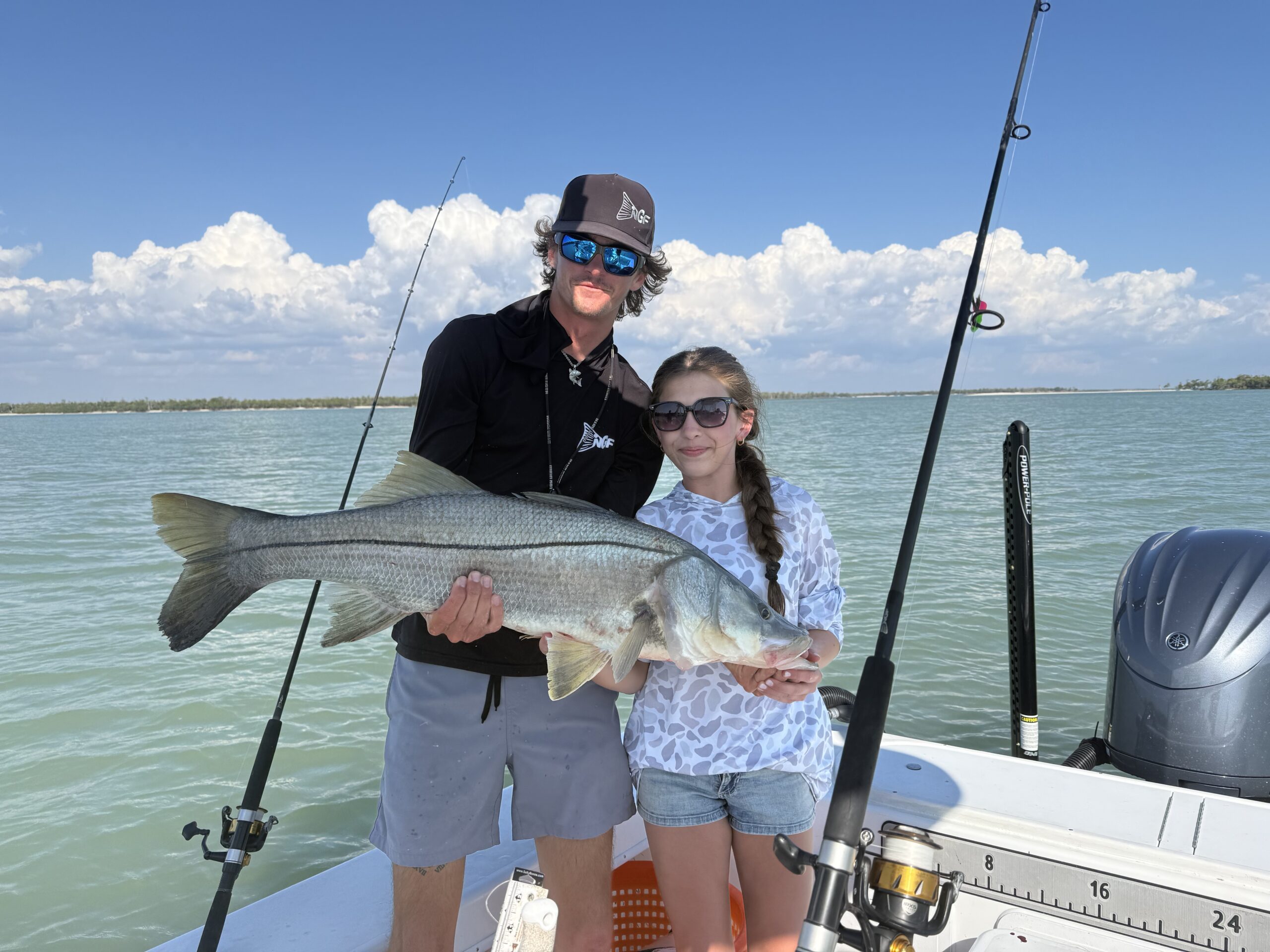
Inshore fishing takes place close to land in bays, passes, canals, and protected coastal waters. It is usually a flexible, approachable option for visitors who want shorter boat rides, relatively calmer conditions, and a mix of Southwest Florida species.
Common inshore species include:
- Snook
- Redfish
- Speckled trout
- Sheepshead
- Jack crevalle
- Seasonal tarpon
Inshore fishing also gives anglers the chance to enjoy Southwest Florida’s scenery, including mangroves, dolphins, seabirds, and shallow grass flats.
Why Many Visitors Choose Inshore Trips
Inshore charters work well for anglers who want a flexible and approachable fishing trip.
Benefits of Inshore Fishing
- Shorter boat rides
- Calmer water conditions
- Great for beginners and families
- Half-day trip availability
- Consistent fishing opportunities throughout the year
Because fishing areas are closer to shore, anglers spend less time traveling and more time actively fishing.
Backwater Fishing: Fishing the Mangroves and Flats
Backwater fishing is a more specific type of shallow-water fishing that takes place in mangrove shorelines, tidal creeks, oyster bars, grass flats, and protected estuaries. Around Goodland and the Ten Thousand Islands, it is often a more hands-on experience built around casting near structure and changing tides.
Popular catches include:
- Snook
- Redfish
- Mangrove snapper
- Black drum
- Tarpon
The waters around Goodland and the Ten Thousand Islands are especially well known for productive backwater fishing throughout much of the year.
What Makes Backwater Fishing Different?
Backwater trips focus heavily on precision casting and reading shallow-water conditions.
You may spend the day:
- Casting near mangrove roots
- Fishing oyster bars
- Working shallow grass flats
- Sight fishing in clear water
For anglers who enjoy active casting and steady interaction, backwater fishing offers a more hands-on experience than deeper water charters.
Offshore Fishing: Bigger Water and Stronger Fish
Offshore fishing moves farther into Gulf waters to fish reefs, ledges, wrecks, live bottom, and other structure. These trips generally involve more open water, heavier tackle, longer runs, and the opportunity to target species such as grouper, snapper, kingfish, amberjack, and cobia.
Depending on the season, offshore trips may target:
- Grouper
- Snapper
- Kingfish
- Amberjack
- Cobia
- Shark
Travel time is longer than inshore fishing, but deeper water creates opportunities for larger catches and more aggressive fish.
Offshore Trips Offer More Variety
One reason many anglers enjoy offshore fishing is the variety of techniques used throughout the trip.
Depending on conditions, you may:
- Bottom fish over reefs
- Troll for pelagic species
- Drift fish in deeper water
- Use heavier tackle and larger bait
The pace often feels faster and more physically demanding compared to inshore or backwater trips.
Deep Sea Fishing: Long-Range Gulf Adventures
Deep-sea fishing is the long-range end of offshore fishing. These trips travel farther into the Gulf, spend more time in open water, and are usually designed for anglers who want a full-day adventure and the possibility of targeting larger offshore or migratory species.
Deep-sea opportunities depend on the vessel, season, weather, regulations, and the captain’s operating area, so it is always best to discuss your target species and expectations before booking.
Common deep sea species include:
- Tuna
- Mahi-mahi
- Wahoo
- Sailfish
- Large grouper
- Shark
Conditions offshore can vary depending on weather and season. Some days are calm, while others may bring rougher water and stronger currents.
Who Should Consider Deep Sea Fishing?
Deep sea charters are often ideal for anglers who:
- Want to target trophy-sized fish
- Enjoy full-day trips
- Are comfortable in open water
- Want a more physically demanding fishing experience
If you are unsure how you will handle longer boat rides or changing conditions, an inshore or nearshore trip may be a better starting point.
How to Choose the Right Fishing Charter
The best fishing trip depends on the type of experience you want rather than simply choosing the deepest water possible.
| Trip Type | Best For | Typical Conditions | Common Fish |
|---|---|---|---|
| Inshore | Families and beginners | Calm coastal waters | Snook, trout, redfish |
| Backwater | Technical shallow-water fishing | Protected mangroves and flats | Snook, tarpon, snapper |
| Offshore | Larger fish and active fishing | Moderate Gulf conditions | Grouper, kingfish, snapper |
| Deep Sea | Full-day trophy fishing | Open Gulf waters | Tuna, mahi, sailfish |
Your experience level, available time, and comfort on the water all play a role in choosing the right charter.
Choosing Based on Your Group
- Choose inshore if your group wants a flexible, close-to-shore experience with shorter boat rides.
- Choose backwater if you want to fish mangroves and flats, cast often, and explore the Ten Thousand Islands.
- Choose offshore if you are comfortable in open water and want to target Gulf species around deeper structure.
- Consider deep-sea fishing if your group wants a longer, more physically demanding day with time to travel farther offshore.
- Ask about a family combo trip if fishing is only part of the day and your group also wants shelling, wildlife, sightseeing, or beach time.
Seasonal Fishing Changes Throughout the Year
Fishing conditions in Southwest Florida change throughout the year. Water temperatures, bait movement, and migration patterns all affect what species are active.
For example:
- Tarpon fishing peaks during migration season
- Cooler months often improve sheepshead fishing
- Warmer water increases snapper activity
- Offshore species shift based on Gulf conditions
Experienced local guides adjust locations and techniques throughout the year to match changing fish patterns.
Frequently Asked Questions
What is the difference between inshore and offshore fishing?
Inshore fishing takes place close to shore in calmer waters, while offshore fishing occurs farther into the Gulf around reefs, wrecks, and deeper structures that hold larger fish.
Which fishing trip is best for beginners?
Inshore fishing is usually best for beginners because the waters are calmer, travel times are shorter, and the fishing is often more relaxed.
What can you catch on a deep sea fishing trip?
Deep sea fishing trips may target tuna, mahi-mahi, wahoo, sailfish, large grouper, and shark depending on season and water conditions.
Is backwater fishing good for families?
Backwater fishing can work well for families, especially those who enjoy calmer water and active casting near mangroves and shallow flats.
How long are offshore and deep sea fishing trips?
Offshore trips are often half-day or full-day charters, while deep sea fishing usually involves longer full-day trips because of the travel distance into deeper Gulf waters.
Native Guided Fishing — Fishing Charters in Marco Island & Goodland, FL
If you are looking for an unforgettable day on the water, Native Guided Fishing offers professionally guided fishing trips throughout Southwest Florida.
Whether you are visiting Goodland, Marco Island, Naples, or the surrounding coastal waters, our experienced captains will take you to productive fishing locations while helping you improve your skills and enjoy the experience.
From beginners to experienced anglers, every trip is designed to provide an exciting and memorable day on the water.
Book your guided fishing adventure.
Ready to book your trip? Browse our full charter lineup, or jump straight to backwater fishing or offshore fishing charters.